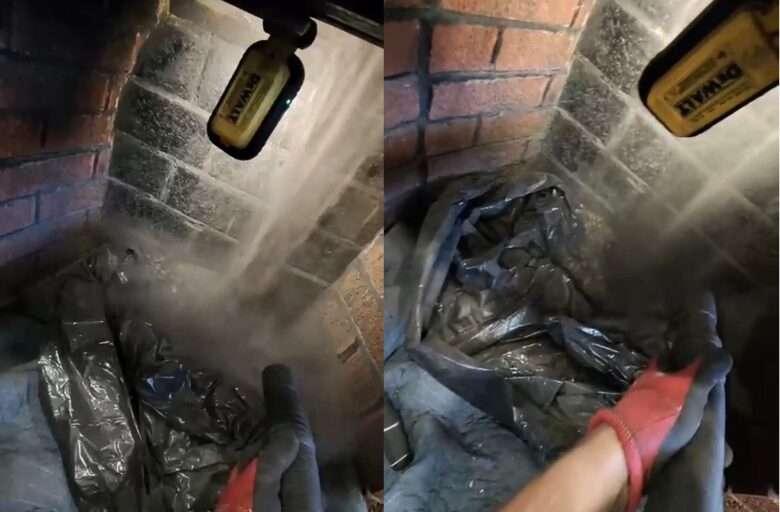
Chimney cleaning North York homeowners called us for this job started with a strange, unpleasant problem: flies gathering near the fireplace and a foul odor spreading through the house. The odd part? The family never used their fireplace. So where was the smell coming from?
This case shows why professional chimney cleaning matters, even for chimneys that sit unused for years. It also shows how a well-meaning home repair, done without an inspection first, can quietly turn into a bigger problem than the one it was meant to solve.
The Backstory: A Well-Meaning DIY Fix Gone Wrong
The homeowners hadn’t lit their fireplace in a long time. At some point, they asked a neighbor to install a wildlife guard on the chimney flue to keep animals out. It seemed like a reasonable, low-cost fix.
Unfortunately, the timing was off. A family of squirrels had already made a nest inside the flue. The new chimney cover sealed the animals inside instead of keeping them out. Over time, the trapped nest began to decompose, and that’s what caused the flies and the smell throughout the home.
This is a common mistake homeowners make when they skip a proper chimney inspection before capping or covering a flue. A quick DIY chimney cover can trap wildlife instead of excluding it. According to WETT Inc., the Canadian non-profit that trains and certifies chimney and wood-burning system inspectors nationwide, annual inspections are recommended even for fireplaces that see no use, since unused chimneys are a common target for nesting wildlife.
Squirrels, raccoons, and birds all see an open, unused chimney as a warm, sheltered place to nest, especially heading into colder months. Once a nest is established, sealing the opening from outside doesn’t remove the problem — it just hides it from view while the situation inside gets worse.
For this homeowner, the first sign of trouble wasn’t visible at all. It was the smell. By the time flies appeared near the fireplace, the nest had likely been trapped and decomposing for some time.
What We Found During the North York Chimney Inspection
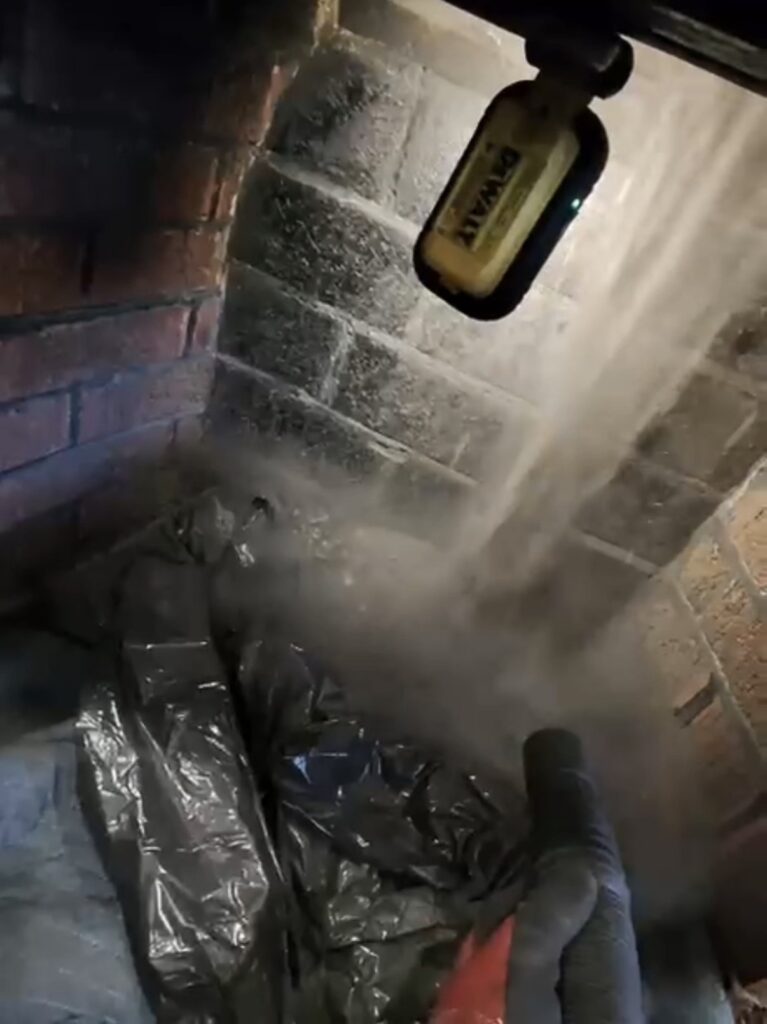
When our technicians arrived for this chimney cleaning North York appointment, they carried out a full chimney inspection before touching anything. This step matters. You need to know exactly what’s inside the flue before starting any cleaning or repair work.
The inspection confirmed:
- An old, decomposing squirrel nest lodged in the flue
- A poorly fitted chimney cover installed without checking for existing wildlife
- Buildup of debris and organic material along the chimney walls
- No structural damage to the chimney itself, which was good news for the homeowners
A camera and visual inspection also let the technicians confirm there were no live animals still present before starting any cleaning work — an important safety step, since removing a nest without checking first can put technicians at risk.
The wildlife guard itself wasn’t a bad idea. It was simply installed at the wrong time, without checking whether the flue was already occupied. That single missed step turned a prevention measure into a sealed, decomposing mess.
The Chimney Cleaning and Sanitization Process
Once we confirmed the cause, our team moved into a full chimney cleaning and disinfection process:
- Removal of the nest and debris. Technicians carefully removed the decomposed nest material from the flue by hand and with specialized tools, taking care not to spread debris into the home through the fireplace opening.
- Deep chimney cleaning. A thorough sweep cleared soot, droppings, and remaining organic buildup from the chimney walls, top to bottom, using brushes sized correctly for the flue.
- Sanitary disinfection. Because of the health risks tied to decomposing animal matter, including bacteria and the possibility of parasites, the team applied a sanitizing treatment to eliminate odor and contamination at the source, not just mask it.
- Chimney cover repair. The original wildlife guard was repaired and properly refitted so it would keep future animals out without trapping anything inside. This included checking the mesh spacing and making sure the cover sat flush against the flue opening.
The combination of cleaning and disinfection resolved both problems at once: the flies disappeared, and so did the smell. Just as important, the homeowners now have a properly functioning chimney cover that will keep wildlife out going forward, without repeating the same mistake.
Why the Smell and Flies Took So Long to Notice
One question the homeowners asked was why it took weeks to connect the smell to the chimney. The answer comes down to how flues are built. A chimney flue is a sealed vertical shaft, so odor from something trapped inside doesn’t travel straight into the room. It seeps out slowly through gaps around the damper, the firebox, and cracks in aging mortar joints. That slow leak is why homeowners often suspect drains, garbage areas, or HVAC ducts before ever thinking of the chimney. This is exactly the kind of case where a chimney inspection pays for itself, tracing odor and pest activity back to its actual source in one visit.
Why Chimney Sweep and Inspection Work Matters, Even for Unused Fireplaces
Many homeowners assume that an unused fireplace doesn’t need attention. This case proves otherwise. Chimneys are open pathways to the outside, and wildlife will use them as shelter if given the chance.
A professional chimney sweep and inspection before installing any cap or cover protects your home in three ways:
- It confirms whether animals are already present before you seal the flue
- It identifies buildup or damage that could lead to odor, pests, or fire risk
- It ensures any chimney cover or cap is installed correctly the first time
If you’re planning to install a chimney cover yourself, or hire a handyman to do it, an inspection first is the difference between solving a wildlife problem and creating a worse one. See our chimney cap and cover repair services for more on how we handle wildlife-proofing correctly.
Signs You May Have a Similar Problem
If you notice any of the following, it’s worth booking a chimney cleaning North York appointment:
- Flies or other insects gathering near the fireplace
- A persistent bad smell with no obvious source
- Scratching or rustling sounds near the chimney
- A chimney cover or cap installed without a prior inspection
- A fireplace that hasn’t been used or inspected in more than a year
- Visible nesting material at the top of the chimney or around the damper
Catching these signs early usually means a simpler fix. Left alone, a blocked or nested flue can lead to worse odor, pest problems that spread beyond the chimney, and in some cases, damage to the flue lining itself from prolonged moisture and organic buildup.
Frequently Asked Questions
- Can a squirrel actually get stuck in a chimney flue permanently? Yes. Once a chimney cover or cap is installed over an occupied flue, animals inside have no way out. Without intervention, the outcome is almost always the same: the animal doesn’t survive, and the remains cause odor and pest issues over time.
- Is it safe to remove a chimney cover myself to check for animals? It’s not recommended. Flue work involves working at height, handling potentially contaminated debris, and, in some cases, encountering a live animal that may react defensively. A professional chimney inspection is the safer route.
- How often should an unused fireplace be inspected? Even a fireplace that’s never lit should be inspected at least once a year. Chimneys are open to the outdoors year-round, and wildlife doesn’t care whether the fireplace below is in use.
- Does a chimney need to be disinfected after a wildlife issue, or is cleaning enough? Cleaning alone removes visible debris, but it doesn’t eliminate bacteria or lingering odor from decomposed organic matter. Sanitary disinfection is the step that actually resolves the smell at its source.
Chimney Cleaning North York: Serving the Greater Toronto Area
Our team provides chimney cleaning, chimney sweep, chimney inspection, and chimney repair services across North York and the surrounding areas. Whether your fireplace is in daily use or has been sitting dormant for years, a regular chimney inspection protects your home from wildlife, odor, and fire hazards.
If flies or a strange smell have shown up near your fireplace, don’t ignore it. Book a chimney cleaning North York appointment today, and take a look at our related duct cleaning North York services if you’re dealing with odor or air quality concerns elsewhere in the home.
Need Professional Service?
Our expert technicians are ready to help with all your home service needs.
Schedule Service Today