WETT inspection cost in the Toronto area typically depends on the inspection level required. Level 1 — a standard visual inspection — is the most affordable option. Level 2 or 3 inspections cost more due to additional time, equipment, and access requirements.
Typical WETT Inspection Cost Ranges
WETT inspections come in three tiers, and the tier drives the price:
- Level 1 — A visual inspection of all accessible areas of the appliance and chimney. This is the most common and most affordable option. Insurers and real estate transactions typically ask for this level.
- Level 2 — Includes everything in Level 1, plus a more detailed internal flue inspection, often using a video camera. This level costs more because it requires specialized equipment and added inspection time. Insurers typically require it after a chimney fire or a change in fuel type.
- Level 3 — The most involved option. It sometimes requires partial removal of materials to access concealed areas. Pricing reflects the additional labor and any necessary repairs to restore the area afterward.
What Affects the Price?
Several variables move WETT inspection cost up or down:
- The type of appliance you’re inspecting — wood stove, fireplace insert, or open fireplace
- How accessible the chimney is (a steep or multi-story roof adds time)
- Whether the inspection is routine or follows an incident like a chimney fire
- How many appliances you’re inspecting on the same property — bundling multiple units often reduces the per-unit cost
Is It Worth the Investment?
The numbers from Ontario’s own fire data make a clear case. The Ontario Office of the Fire Marshal recorded over 536 structure loss fires per year from heating equipment between 2015 and 2019. This category includes fireplaces and chimneys. Residential homes accounted for 77% of those incidents. These fires all involved a documented dollar loss, injury, or fatality, not minor incidents.
Why Chimney Fires Escalate So Quickly
Chimney fires burn at temperatures around 2,000°F. That’s hot enough to melt mortar, crack tile liners, and collapse flue systems. A small chimney fire can break out unnoticed and damage the flue internally. Once that happens, the next fire that starts in a compromised chimney is far less likely to stay contained. Creosote buildup and installation deficiencies cause the vast majority of chimney fires. A WETT inspection exists to catch exactly these problems.
Canadian fire data also shows that fires starting in the living room cause one-third of all home fire deaths. The living room is also the most common location for a wood-burning fireplace. Not all of these fires are fireplace-related, but the concentration of risk in that space is notable.
What Fire Safety Authorities Recommend
The Ontario Association of Fire Chiefs recommends yearly cleaning and inspection for heating equipment and chimneys. A qualified professional should handle this every year. An annual inspection ensures your heating and venting systems operate safely and efficiently. A WETT inspection satisfies this recommendation. At the same time, it produces the documentation your insurer needs.
Compare that small yearly cost to the average cost of fire damage to a home. Or compare it to a denied insurance claim on a property with an uninspected wood-burning system. Many Ontario homeowners treat this expense the same way they treat an annual furnace inspection. It’s a routine cost of homeownership, not an optional extra. It’s also an expense that can prevent a claim denial or catch structural damage early, before it becomes far more expensive to fix.
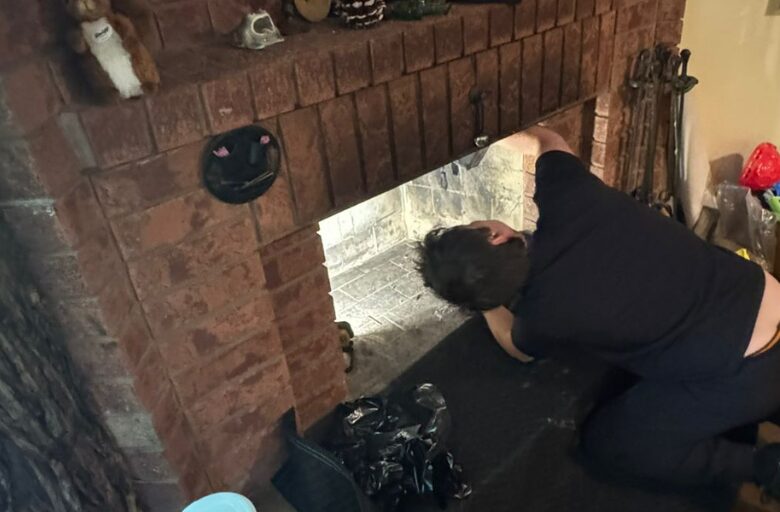
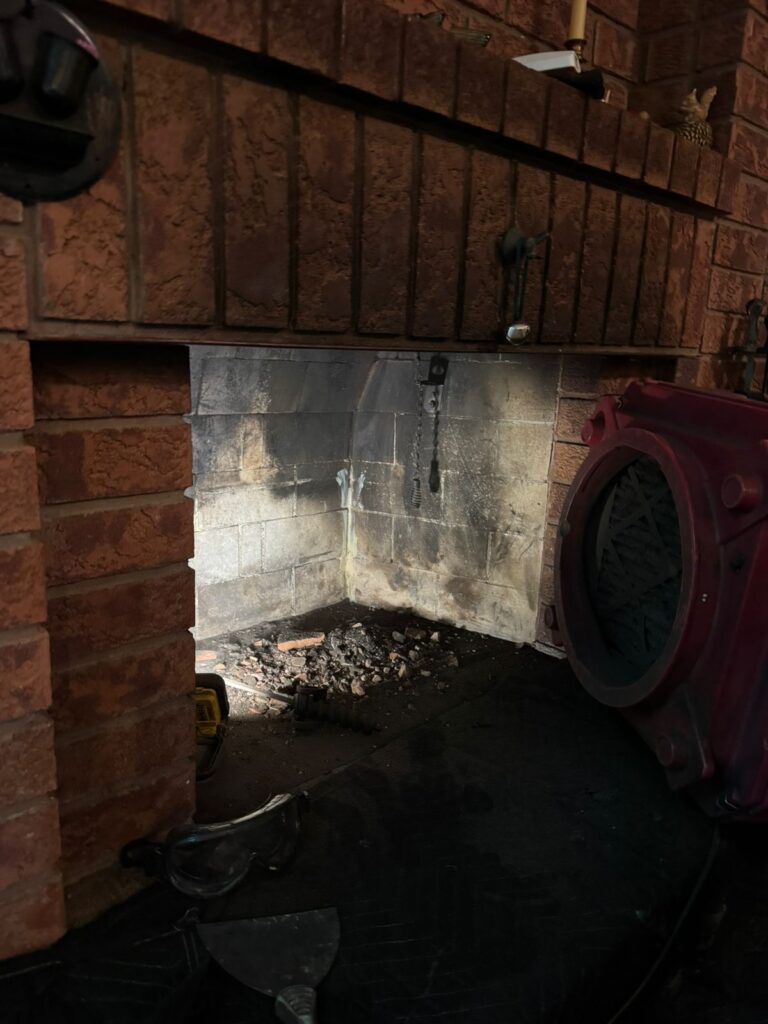
Real Example: Fireplace Damper Repair and Cleaning in Etobicoke
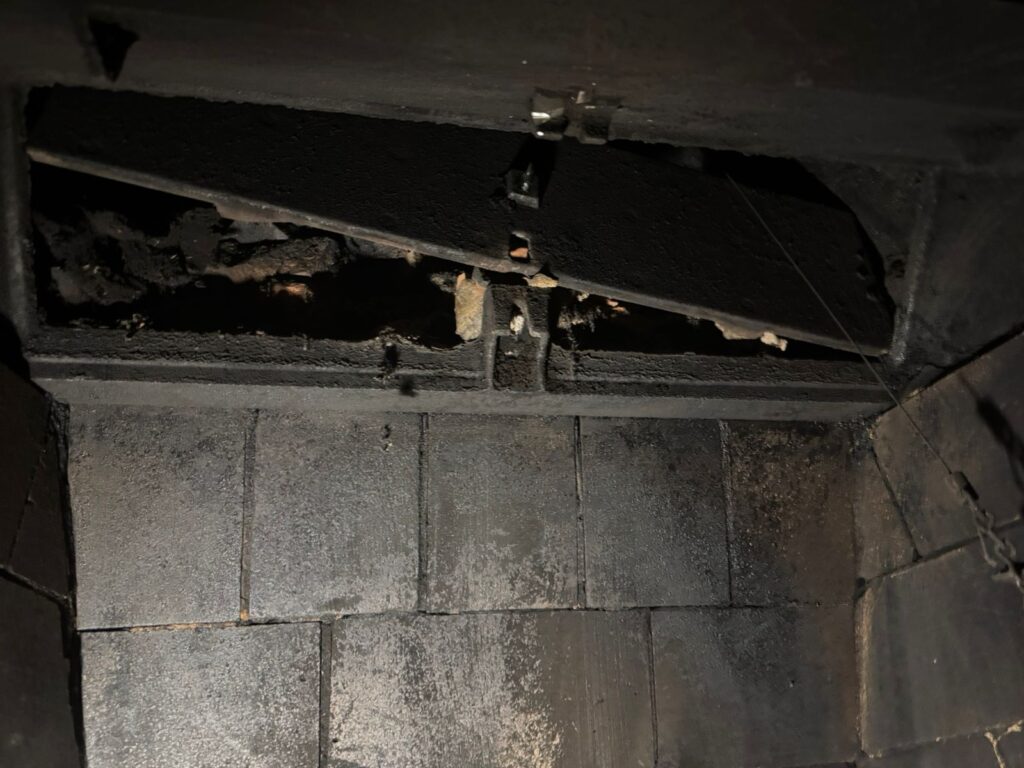
One recent job in Etobicoke shows exactly why routine inspection matters. Our technician arrived to find a heavily blocked damper. Years of debris buildup had restricted airflow almost completely. This kind of obstruction forces smoke back into the living space and dramatically increases the risk of a chimney fire. The damper itself had corroded and no longer sealed properly.
The work involved a full cleaning of the blockage and debris. Our technician also repaired the damper mechanism and applied a protective coating of Teflon-based sealant to guard against future corrosion and heat damage. The homeowner had no idea the damper was in that condition. There were no obvious symptoms until our technician opened it up.
This is a common finding during inspections in older Toronto-area homes: problems that aren’t visible from the firebox but show up immediately during a proper assessment. In this case, the inspection cost far less than the repair bill would have been. That’s true whether the blockage had caused a chimney fire, or the corroded damper had failed completely mid-season.
Get an Accurate Quote
WETT inspection cost depends heavily on your specific setup — appliance type, chimney height, and the level of inspection required. The most reliable way to know your exact price is to book an assessment based on your property.
FAQ
Q: Does insurance cover WETT inspection cost? A: Generally, no. You typically pay for the inspection itself out of pocket. Your insurer may still require it as a prerequisite to issue or maintain your policy.
Q: Does the cost include repairs if issues are found? A: No, the inspection fee covers the assessment and report only. We quote repairs separately. Many companies, including ours, can provide a repair estimate during the same visit.
Q: Is it cheaper to get inspections for multiple appliances at once? A: Often, yes. If you have more than one wood-burning appliance on the property, bundling inspections in a single visit usually reduces the overall cost. That beats booking separate appointments.
If you’d like an exact quote based on your fireplace, stove, or chimney setup, contact us. We’ll provide a personalized inspection quote tailored to your property. We serve Toronto and the surrounding GTA.
Need Professional Service?
Our expert technicians are ready to help with all your home service needs.
Schedule Service Today