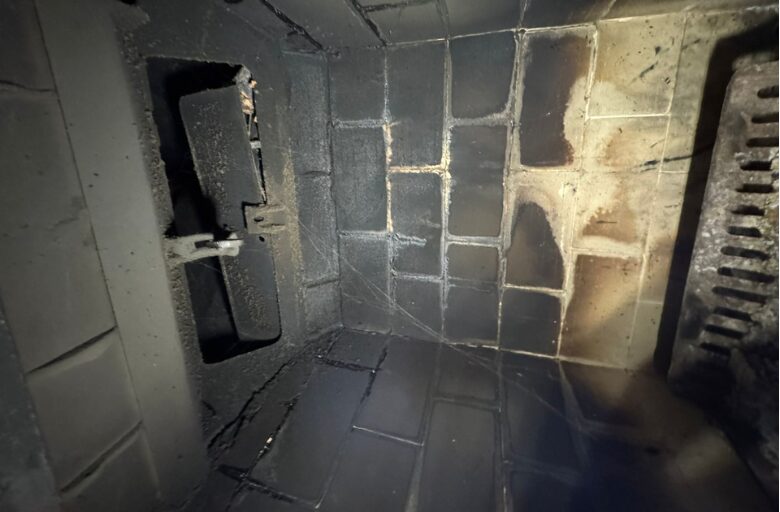
A WETT inspection is a professional safety assessment of a wood-burning fireplace, stove, or chimney, carried out by a certified technician to confirm the system meets current code and manufacturer requirements. Most homeowners need one when buying or insuring a property with a wood-burning appliance, or after a chimney fire or major renovation.
What Does a WETT Inspection Cover?
WETT stands for Wood Energy Technology Transfer — the certification body that trains and licenses inspectors across Canada. A WETT inspection examines the appliance itself, the chimney structure, the flue liner, clearances to combustible materials, and any visible signs of creosote buildup or structural damage. The goal is to confirm the entire system is safe to operate and was installed according to code, not just to check that the fireplace “works.”
How Common Are Wood-Burning Appliances in Ontario — and Why It Matters
Wood-burning systems are far more prevalent in Canadian homes than many people realize. Almost one in five Canadian households reported burning wood at their primary dwelling in 2019 — either in a fireplace, wood stove, or insert. Among Ontario households with a fireplace, the majority had a gas fireplace, but a significant share still relied on wood-burning systems — and those are precisely the appliances that fall under WETT certification requirements.
More than 400,000 single-family homes across Canada use wood as their primary source of heat, and over 950,000 use it as a supplementary source — a substantial installed base of appliances that need periodic inspection to remain safe and code-compliant.
The type of appliance affects both inspection frequency and what an inspector looks for:
- Open masonry fireplaces — the most common in older Toronto and GTA homes, particularly those built before 1980. These have the highest rate of mortar deterioration, clearance issues, and outdated flue liners.
- Factory-built fireplaces — common in homes built from the 1980s onward. These must meet specific manufacturer clearances that aren’t always maintained through renovations.
- Wood stoves and inserts — typically the highest-risk category for creosote buildup, since they’re often run at lower temperatures that produce more condensation in the flue.
- Pellet stoves — less common but still require inspection; venting requirements differ from conventional wood systems.
Health and safety experts recommend having wood-burning appliances professionally inspected at least once a year — and this is exactly what a WETT inspection satisfies when carried out by a certified technician. For appliances that haven’t been inspected in several years, or that were installed during a renovation without a permit, the inspection is overdue regardless of how well the fireplace appears to be functioning.
Common Wood-Burning Appliance Brands in Toronto and GTA Homes
If you own a wood-burning appliance from one of the major manufacturers sold in Canada — Napoleon, Regency, Valor, Lopi, Jøtul, Enviro, or Osburn — a WETT inspection is the standard way to confirm the unit was installed to the manufacturer’s specifications and current Ontario code. Each brand has specific clearance requirements, venting configurations, and approved chimney liner types, and these details matter during an inspection.
Older units from manufacturers no longer in operation, or appliances installed without documentation, are particularly important to inspect — there’s no way to verify original installation compliance without a formal assessment. This is especially common in GTA homes where a fireplace or wood stove was installed by a previous owner, sometimes decades ago, without a permit.
If your appliance doesn’t have a visible certification label (CSA or EPA), or if you’re unsure of the model year, a wett certified inspector can help identify the unit and assess whether it still meets current safety standards.
When Do You Need a Wett Inspection Fireplace Check?
The most common trigger is insurance. Most insurers in Ontario require a wett inspection fireplace report before issuing or renewing a policy on a home with a wood-burning appliance — particularly for new homeowners, after a change of insurer, or following any renovation that touched the chimney. Real estate transactions are another frequent reason: buyers, lenders, and real estate lawyers often request a current WETT report as a condition of closing, since an unverified wood-burning system can complicate financing or insurance approval.
Beyond these formal requirements, it’s worth getting an inspection any time you notice slow-burning fires, unusual smoke behavior, visible cracks in the chimney exterior, or simply if the system hasn’t been checked in several years.
How the Inspection Process Works
A certified inspector visits the property and examines the appliance and chimney from accessible vantage points — inside the home, from the roof where safe, and sometimes using a camera to inspect the flue interior. The findings are documented in a formal written report, categorized as Level 1, 2, or 3 depending on scope:
- Level 1 covers a visual inspection of all readily accessible areas — the standard report for most insurance and real estate purposes.
- Level 2 adds a more detailed internal flue inspection, often using video equipment, typically required after a chimney fire or when switching fuel types.
- Level 3 involves removing or accessing concealed areas of the structure, usually reserved for cases where serious damage is suspected.
What Happens If Issues Are Found?
A deficiency on the report doesn’t mean the fireplace can’t be used — it means you now know exactly what needs attention before a small issue becomes a safety hazard or a denied insurance claim. Common findings include insufficient clearance to combustibles, deteriorated mortar joints, or a flue liner that no longer meets current standards. Most of these are repairable, and having one company handle both the inspection and the follow-up work means you’re not coordinating between multiple contractors or paying for a second site visit.
Real Job: WETT Inspection and Building Code Review in Oakville
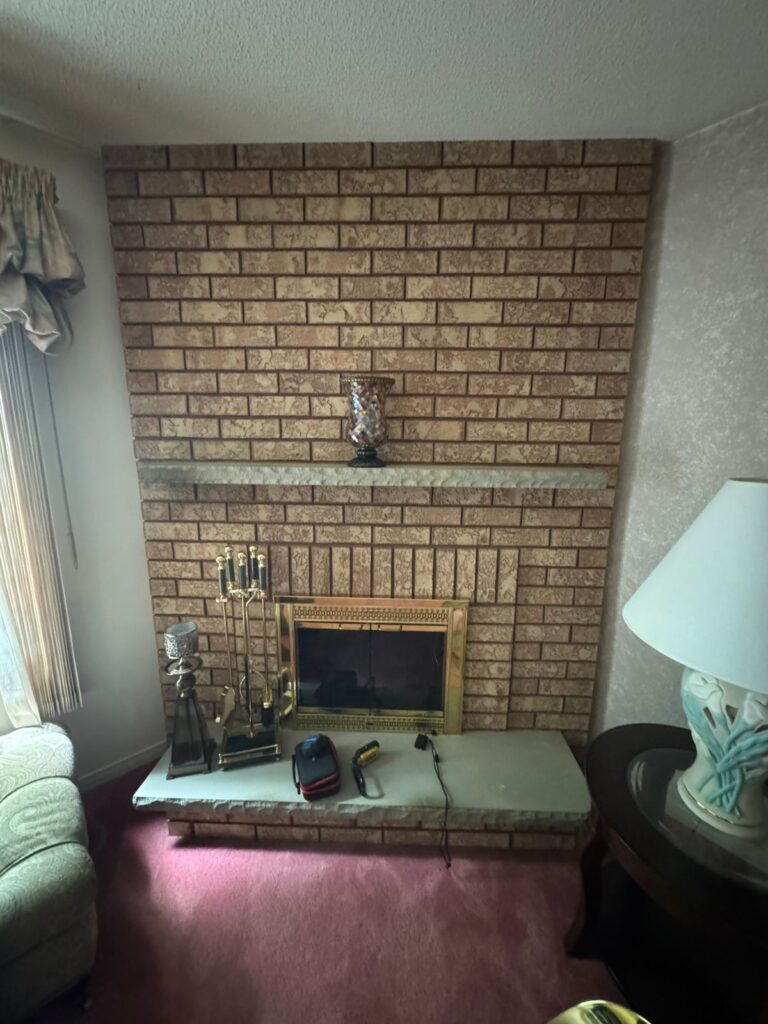
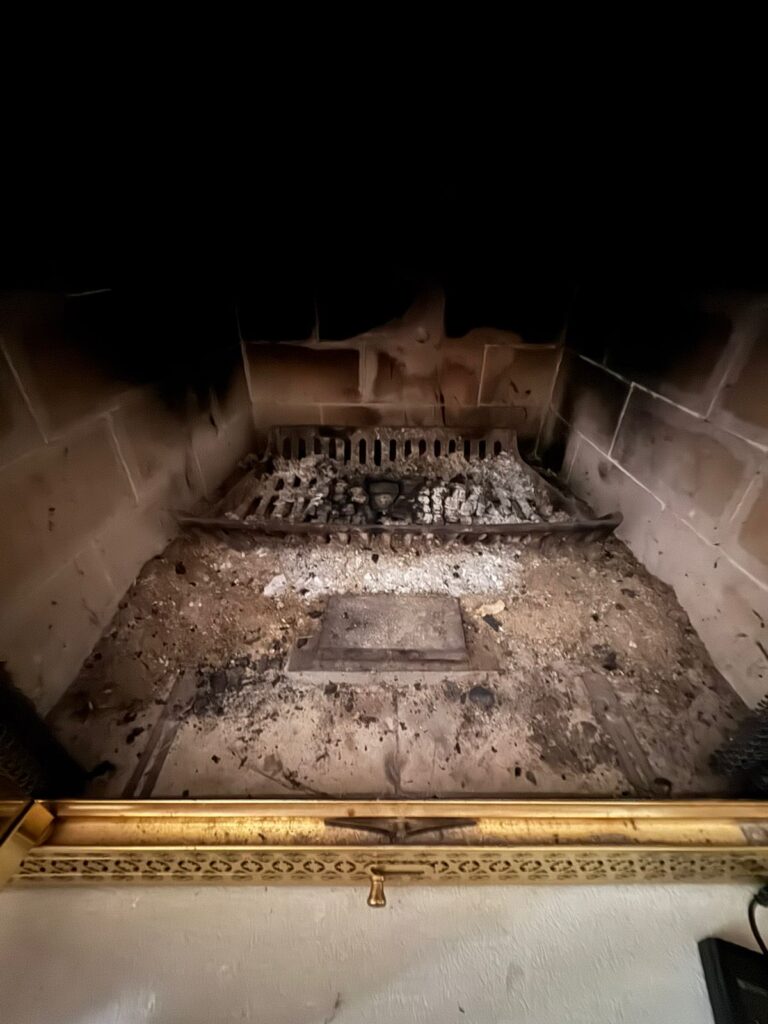
A recent call came in from a homeowner in Oakville looking to get their wood-burning system checked before the heating season started — a routine seasonal inspection, not prompted by any obvious problem. The fireplace had been used regularly for several years without incident, and the owner simply wanted confirmation that everything was in order before lighting the first fire of the fall.
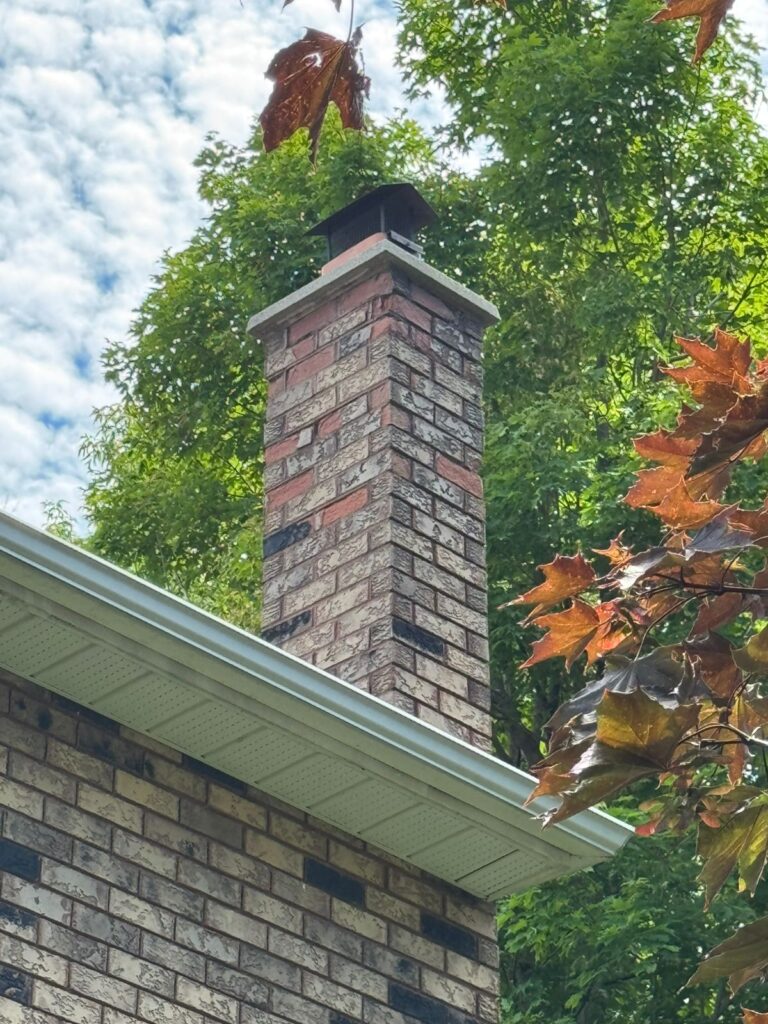
Our WETT inspector arrived and began with a full visual assessment of the appliance, the firebox, and the chimney structure, followed by clearance measurements to verify compliance with Ontario Building Code requirements. What looked like a well-maintained system from the outside told a different story on closer inspection: the clearances between the appliance and surrounding combustible materials were below the minimum required by code — a common issue in older installations where renovations had shifted walls or added finishing materials without accounting for the original clearance specifications.
The flue liner also showed signs of deterioration that wouldn’t have been visible without the inspection, and the installation documentation for the appliance couldn’t be located — meaning there was no way to confirm the original installation had been done to the manufacturer’s specifications.
The homeowner received a full written WETT report documenting the deficiencies, along with a repair plan covering the clearance corrections and flue assessment. The work was completed before the season started, and the updated report was submitted to the insurer without issue.
This job is a good example of why a pre-season WETT inspection fireplace check catches problems that aren’t visible during normal use — and why finding them in September is far better than discovering them mid-January when the system is running daily.
The Risk of Skipping a WETT Inspection Fireplace Check
Ontario fire data provides a concrete answer to the question of whether a wett inspection fireplace check is worth doing. The Ontario Office of the Fire Marshal recorded an average of over 536 structure loss fires per year from heating equipment — including fireplaces and chimneys — between 2015 and 2019, with 77% occurring in residential homes. These aren’t near-misses: they’re fires with documented property damage, injury, or fatality.
Chimney fires specifically burn at temperatures around 2,000°F — hot enough to crack flue liners, collapse chimney structures, and spread to the surrounding home structure. The vast majority are caused by creosote buildup and installation deficiencies that go undetected without a formal inspection. Canadian fire data shows that one-third of all home fire deaths are caused by fires that start in the living room — the most common location for a wood-burning fireplace in Canadian homes.
A WETT inspection is the only standardized process that checks for these specific risks in a documented, insurer-recognized format. For most Ontario homeowners with a wood-burning system, it’s not a question of whether to get one — it’s a question of how long it’s been since the last one.
FAQ
Q: How long does a WETT inspection take?
A: Most Level 1 inspections take 30-60 minutes. Level 2 or 3 inspections, which involve more detailed flue access, can take longer depending on the chimney’s condition and accessibility.
Q: Does a WETT inspection expire?
A: There’s no fixed expiry built into the report itself, but most insurers want a report dated within the last 1-2 years, and a new one is typically required after any renovation or chimney fire.
Q: Can I sell a home without a WETT inspection?
A: Legally, yes — but many buyers’ lawyers and lenders will request one as a condition of the sale, so having a current report ready can prevent delays at closing.
Q: Do I need a WETT inspection for a gas fireplace?
A: No — WETT certification specifically covers wood-burning appliances. Gas fireplaces fall under a different regulatory framework and are typically inspected by a licensed gas technician rather than a wett certified inspector. If you have both a gas and a wood-burning appliance, they require separate types of inspection.
Q: What if the fireplace was installed by a previous owner?
A: This is one of the most common scenarios we see in Toronto and GTA homes. If you don’t have documentation of the original installation, a WETT inspection is the only reliable way to confirm the system is safe and code-compliant. Previous owners may have installed appliances without permits, with incorrect clearances, or using materials that no longer meet current standards — none of which is visible without a proper assessment.
If you need a WETT inspection in Toronto or the GTA — whether for insurance, a real estate transaction, or routine peace of mind — book an inspection with our certified technicians and we’ll provide a full written report along with straightforward repair options if anything needs attention.
Need Professional Service?
Our expert technicians are ready to help with all your home service needs.
Schedule Service Today